How to Help Kids With Spelling


Spelling is an important part of every child’s learning journey. Building strong spelling skills helps children become more confident readers and writers while also supporting communication, vocabulary growth, and success across school subjects. However, many parents and teachers wonder how to help kids with spelling in a way that feels engaging rather than frustrating.
Spelling is closely connected to both reading and writing. When children recognise spelling patterns, they become better readers because they can decode words more easily. At the same time, confident spelling allows children to focus on expressing their ideas rather than worrying about getting every word correct.
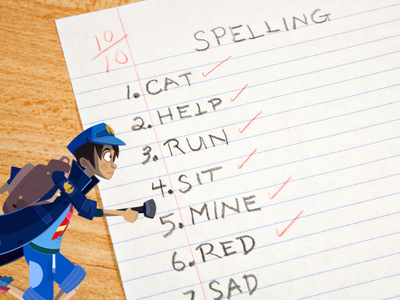
Teaching spelling doesn’t always have to involve endless worksheets or stressful weekly tests, especially if your child does not respond well to them. Every child learns differently, and what works for one child may not work for another. Some children who struggle with spelling begin to avoid writing altogether, which can affect both creativity and confidence. That’s why learning how to teach spelling effectively is so important.
With the right combination of spelling activities, reading practice, creativity, and encouragement, children can develop their spelling skills naturally and confidently over time.
How kids learn to spell
From ages 4-6, children begin building early sound awareness. They start making sound-letter connections and recognising simple phonics patterns. At this stage, fun spelling activities such as rhyming games, alphabet games, and phonics songs can make a huge difference in development. Younger learners usually benefit most from playful repetition and short learning sessions. Most importantly, parents and teachers should celebrate small wins to help build confidence.
As children move into the 7-9 age range, spelling often becomes more structured at school. Children begin learning prefixes, suffixes, silent letters, longer vowel patterns, and more advanced spelling rules. Teaching spelling rules in context helps children remember them more naturally and use them confidently in their own writing.
Some helpful foundational spelling rules include:
“I before E except after C” (for example: believe, chief, receive)
Adding an “e” changes the vowel sound (cap → cape, hop → hope)
Doubling consonants when adding endings (run → running, stop → stopped)
Changing “y” to “i” (happy → happier, carry → carried)
Teaching spelling effectively
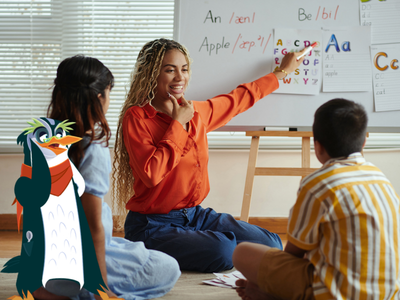
Children tend to remember words more easily when they actively use them. Writing stories, creating comic strips, and inventing characters are all effective ways to improve spelling while encouraging creativity. Word games, spelling bingo, scavenger hunts, and crossword puzzles can also make spelling practice feel much more exciting.
Reading every day is another powerful way to support spelling development. The more children read, the more familiar they become with spelling patterns, vocabulary, and sentence structure. Graphic novels, fantasy books, comics, and adventure stories can all help children improve spelling naturally without making learning feel formal or stressful.
Multi-sensory spelling training can also be extremely effective, especially for reluctant learners. Some children remember words better when they clap syllables, type words on a keyboard, build words with blocks, or write letters in shaving foam, sand, or the air. Combining movement and touch with reading and writing helps many children retain spelling patterns more successfully.
Helping struggling spellers
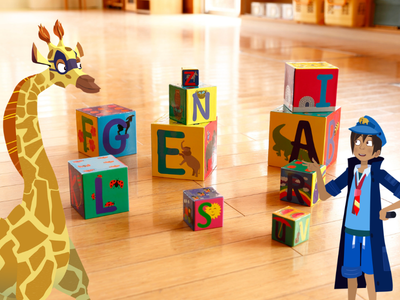
Some children need more repetition and encouragement than others, and that’s completely normal. If a child avoids writing, struggles to remember common words, or becomes frustrated during spelling activities, they may benefit from slower and more targeted support.
Breaking words into smaller chunks, teaching one spelling rule at a time, and practising little and often can make spelling feel far more manageable. Most importantly, children need positive encouragement. Confidence plays a huge role in learning, and celebrating progress (even small improvements) helps children stay motivated.
Fun spelling activities to try at home
Simple spelling activities at home can make a big difference. Parents can hide words around the house for a spelling treasure hunt, encourage rainbow writing with coloured pens, or challenge children to use spelling words in a short story. Even everyday tasks like writing shopping lists or birthday cards can become fun opportunities for spelling practice.
Online spelling games and creative writing platforms can also help children stay engaged, especially when combined with regular reading and conversation.
Technology can make spelling practice far more engaging for children who struggle with traditional methods. Apps and programs like Night Zookeeper combine creative writing with interactive spelling activities, helping children learn while having fun.
Night Zookeeper encourages children to create stories, invent characters, and complete writing challenges while practising vocabulary and spelling skills. Because the activities are creative and game-like, children often stay motivated for longer and feel more confident about writing.
Through gamified learning, interactive lessons, weekly competitions, and thousands of imaginative writing prompts, Night Zookeeper makes every stage of writing something kids look forward to. Whatever your child's starting point, Night Zookeeper helps them take the next step with confidence.
Sign up today and get a FREE 7-day trial!
If you have any questions, email us at [email protected] or drop us a message on social media:


Make Reading & Writing Fantastically Fun!
- Award-winning reading & writing program for kids
- Improves spelling, grammar, punctuation & vocabulary
- Over 1,000 different learning games and activities


6 Best Spelling Apps for Kids


6 Super Spelling Games For Kids


Why Spelling is Important for Children