Why are Reading and Writing Important?


In today’s digital world, reading and writing remain some of the most important life skills a child can develop. Even with AI tools becoming more common, strong literacy skills are still the foundation of communication, learning, and critical thinking.
From school and work to social media, entertainment, and everyday tasks, reading and writing help us understand the world and connect with others. Whether reading emails, sending text messages, following instructions, or sharing ideas online, language arts plays a role in nearly every part of daily life.
Most children begin developing reading and writing skills during primary or elementary school. These early literacy skills become the building blocks for future academic success across all subjects, including English, math, and science.
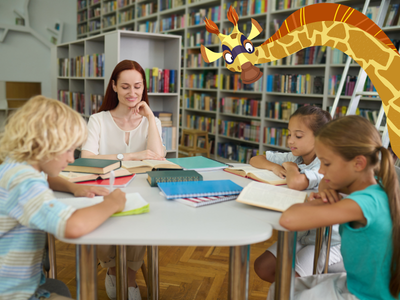
Why are reading and writing important?
The importance of reading and writing goes far beyond passing exams or completing homework. Strong literacy skills help children:
- Communicate clearly and confidently
- Develop critical thinking and problem-solving abilities
- Build creativity and imagination
- Express thoughts and emotions effectively
- Gain independence in everyday life
- Prepare for future careers and relationships
Children who become confident readers and writers early often find it easier to learn new concepts, process information, and engage with the world around them. Developing these skills early will open the doors to a bright and promising future.
What are the benefits of reading and writing?
Reading and writing are essential skills to master, and while perfecting them may seem challenging at first, here are some benefits of becoming a fluent reader and writer:
Deeper understanding through reading
Reading introduces children to new ideas, cultures, hobbies, and perspectives. It encourages curiosity while helping them understand the world.
In everyday life, reading is essential for understanding:
- Emails and text messages
- Road signs and directions
- Food labels and recipes
- School instructions and assignments
- News articles and online content
and so much more!
The more children read, the stronger their vocabulary, comprehension, and communication skills become.
Improved critical thinking skills
As learners engage with different pieces of writing, they are constantly prompted to think critically. Analyzing characters, understanding different narrative structures, and making connections between ideas foster the development of important critical thinking skills. The ability to process information and draw meaningful conclusions will become a valuable asset in their academic and personal lives, especially as they get older and are prompted to make more difficult decisions.
Supports self-expression & wellbeing
Writing boosts wellbeing by encouraging self-expression. This skill inspires people to share their thoughts, feelings, and ideas in their own words, boosting emotional intelligence, articulation, and communication skills.
Mindful activities like journaling can help kids:
- Build confidence
- Improve emotional intelligence
- Manage stress and anxiety
- Practice articulating feelings and opinions
Creative writing also encourages imagination and personal expression in a safe and engaging way.
A better understanding of the world
Through reading and writing, children gain exposure to different cultures, viewpoints, and experiences. Literacy helps learners stay informed about current events and participate meaningfully in their communities.
Strong reading and writing skills empower children to communicate effectively, think independently, and engage confidently in society.
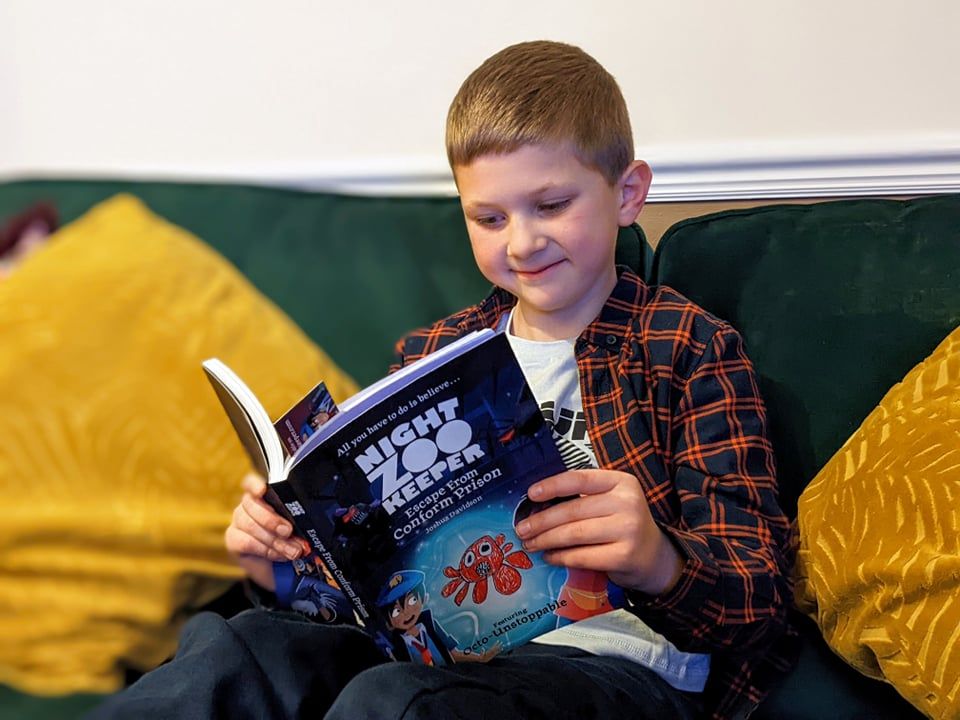
How to teach reading and writing
Helping children develop strong literacy skills early can set them up for lifelong success. Here are some practical ways you can teach or support your child’s development of reading and writing skills:
Focus on reading comprehension
Reading comprehension is the ability to understand and interpret a text. Help your child improve this skill by asking questions during and after reading sessions. For example, get them to summarize the story they’ve just read, or express their thoughts on specific characters and events. This is a great way to test their understanding of the text and boost their critical thinking skills.
Introduce new words and expand vocabulary
Reading naturally introduces children to new words, boosting their vocabulary. To expand your child’s vocabulary even more, use unfamiliar words in conversations. Encourage your child to use these words in sentences, helping them understand the concepts of sentence structure and meaning. This not only boosts reading comprehension, but also elevates their language skills to a higher level.
Show how writing helps in everyday life
Whether it's composing emails, writing birthday cards, or making grocery lists, encouraging kids to get involved in activities where you use writing helps them see the real-world relevance and value. This connection makes the learning experience more meaningful and closes the gap between writing as an academic skill and as a useful everyday tool.
Embrace the writing process
Encourage your child to view writing as a fun process! Practicing this skill doesn’t have to be boring or overwhelming, and there are many ways to get your child excited to craft their own writing pieces.
You can start by getting your child to brainstorm story ideas. Then, ask them to draw their main character, or the setting their story takes place in. You can also set different writing goals to keep your child motivated to write on. Check out our step-by-step creative writing guide for more tips and ideas on how to make writing fun!
Encourage expressing ideas in their own words
Writing is all about expressing thoughts in one's own words. Encourage your child to retell a story they’ve read recently using their unique voice. This practice not only reinforces understanding but also boosts self-expression and creativity.
Practice sentence structure
Your child needs to understand sentence structure to create great pieces of writing. Start with getting your child to craft simple sentences that describe the room they’re in, their favorite food, or the current season. This exercise will help them understand how to effectively communicate their ideas, and help them move on to writing more complex sentences.
Use fun reading & writing resources
There are thousands of reading and writing resources out there to help your child on this journey to become a better reader and writer. These include daily writing prompts, reading goals, reading and writing forums, and much more.
A great example of this is Night Zookeeper!
Night Zookeeper is an online program that uses gamified learning to make reading & writing fun for children aged six to twelve! The program covers all aspects of reading and writing, including spelling, punctuation and grammar, through an array of activities, from interactive lessons, to pre-planned assignments, to creative writing prompts.
Preparing children for the future
Reading and writing are lifelong skills that influence every stage of education and personal development. Strong literacy skills help children:
- Succeed academically
- Communicate effectively
- Build confidence
- Think critically
- Adapt to a rapidly changing digital world
Even as technology evolves, the ability to read, write, and communicate clearly remains essential. Supporting children in developing these skills early can help unlock future opportunities and encourage lifelong learning.
By making reading and writing a regular and enjoyable part of everyday life, you can help your child build the confidence and skills they need to thrive.
Follow us on social media


Make Reading & Writing Fantastically Fun!
- Award-winning reading & writing program for kids
- Improves spelling, grammar, punctuation & vocabulary
- Over 1,000 different learning games and activities


How Creative Writing Improves Children's Wellbeing


“My child hates writing.” What do I do?


Why Is Reading Important For Children?