The Benefits of Technology in Education


In recent years, technology has transformed almost every part of our daily lives, and education is no exception.
With interactive learning games, digital libraries, AI, and apps, today's children have access to more educational opportunities than ever before. As technology becomes increasingly integrated into schools and homes, parents are naturally asking:
- Is technology helping children learn?
- How much screen time is too much?
- How can I use technology safely and productively to further my child's learning?
The good news is that, when used thoughtfully, technology can be a very useful tool for learning. Rather than replacing teachers or parents, the best educational technology supports them, making learning more engaging, more personalized, and often more enjoyable.
Here at Night Zookeeper, we believe that technological advancements in education offer great, innovative ways to keep children engaged, focused, and entertained, which is a known challenge for traditional schooling methods. We’d like to outline reasons of how and why technology can be beneficial to education, different uses of technology in education, and how it can help children learn.
Technology increases education accessibility and promotes inclusion
The widespread availability and access to internet-equipped devices has been key to the increasing adoption of education technology. If you’re reading this, you most likely have a device and access to the internet, which are the main requirements for using online learning resources and apps - and they can sometimes even be used offline. Internet-equipped devices are a technology that have the potential to make education extremely accessible and inclusive.
Prior to the invovement of digital resources and online learning, children could potentially miss days or even weeks worth of content if they had to miss school for any reason - such as for sickness, operations, bereavement, familial displacement, or civil strife. Now, there are thousands of different ways to ensure that children can be taught from anywhere, on an international scale - from live zoom lessons, to online learning programs, to simply emailing lesson content in a virtual format like a PDF.
These technological advancements in education have also been a great way to promote inclusion. A child that was once unable to attend “regular” school can now join in online and take part in lessons, group projects, discussions and even complete assessments in real time!
Many learning platforms also include accessibility features such as:
- Text-to-speech
- Adjustable reading levels
- Closed captions
- Dyslexia-friendly fonts
- Translation tools
These make learning more accessible for children with special educational needs and allow learning to be tailored to each child.
Technology has allowed education to reach more children, and that is a key goal for humanity. Nonetheless, there remains a significant proportion of the world’s population that do not have access to devices and the internet, which is the main challenge of enabling universal education.
Technology increases communication, collaboration, and diversity
Technology has also greatly increased communication between people, and offers children lots of different ways to collaborate with other students in the online space, which was once not possible. Not only can they talk to their classmates through different video and chat platforms (which are usually monitored by schools to safeguard students’ online presence), but children now have the chance to learn directly from others on an international level.
For example, your child now has the potential to learn Spanish directly from a native speaker based in Spain! This is just one example, but there are so many other great instances of how technology has not only made learning a lot easier and more accessible, but has also brought people together in ways not previously possible.
Consequently, technology has improved the diversity of ways children can learn. As previously mentioned, students from all over the world can now connect in just a few clicks, something that previous generations never experienced. This is a huge step in encouraging diversity in the classroom and in general. Children are now able to learn about different cultures, languages, and the history of different countries directly from people who live in or are from said countries, providing a far more authentic learning experience.
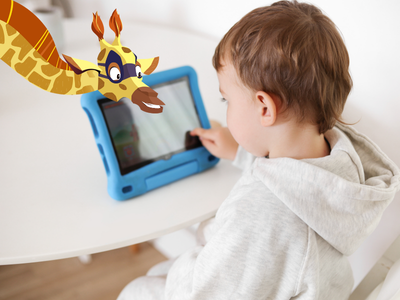
Technology offers increased personalization & variety of learning opportunities
Increasing accessibility to technology enables a wider range of learning opportunities and experiences, which can tap into different types of student engagement and learning styles.
Whether you have a reluctant learner at home, or a child who loves learning, every child is unique and learns in a completely different way! Educational technology has allowed us (parents, teachers, homeschoolers and educators) to fill the gaps left by traditional teaching methods, increasing the ways of delivering appropriate and effective education to all children in a way that is enjoyable and engaging to them individually.
Some children prefer a more traditional approach to learning, while others would rather try, or respond better to, something different. Even if your child isn’t the biggest fan of schoolwork, we guarantee that you can find a way to transform their attitude towards learning - you just have to try different approaches! This is where technology is a game-changer, providing and giving access to thousands of different resources available, from free printable activities, to guided and interactive online programs, to educational games and challenges!
Technology promotes personalized learning, while removing some of the pressure on educators to engage all of their students all of the time in a classroom setting. While it’s challenging to adapt lesson plans in order to make them interesting to 30 children simultaneously, technology has allowed educators to change up their teaching method by giving them a lot more options. As long as students have access to a device (and internet), they can all be working on the same topic using different programs, resources and activities that work best for the way they enjoy learning and allow them to learn at their own pace.

Technology introduces digital awareness
We now live an age of abundant technology, and the children of today are among the first generations who have not experienced life without access to technological devices or the internet. With this in mind, it’s important to educate them on digital awareness and online safety from a very young age.
Technology is an amazing resource, and can provide a very positive learning environment for children. However it can also be dangerous, especially for children who may sometimes dismiss or ignore warning signs.
Using technology as an educational tool can be a great way to teach digital awareness, and can start the conversation with children on how to be safe in the online space, whilst enabling them to learn in a much more interactive and entertaining way.
Educational technology promotes skill development
Being able to search for and access information is an extremely important life skill and is part of the learning process in itself. It’s something children will carry with them for the rest of their lives and is therefore something they should become accustomed to. Technology promotes the development of various different skills, beyond the scope of education.
If a child is confident in their research skills, they will likely become more independent overtime - gone are the days when children used to ask their parents and teachers for help! The common reaction to having a question is now to “Google it”!
Technology is also an amazing way to learn about new topics or start a new hobby - all you need is a device (such as a phone, tablet, or laptop) and an internet connection and BOOM! You have yourself a step-by-step tutorial on how to cook a new recipe, repair your bicycle, or even sing.
Technology helps build future-ready skills
Today's children are growing up in a digital world.
Learning how to use technology responsibly is becoming just as important as learning to read and write.
Educational technology helps children develop valuable lifelong skills including:
- Digital literacy
- Research skills
- Problem solving
- Creativity
- Communication
- Critical thinking
- Collaboration
As technology becomes more common in education and the workplace, helping children understand how to use it thoughtfully will become an increasingly important part of preparing them for the future.
Technology can encourage creativity
We know that children's imaginations know no bounds. That's why it's wonderful that technology is not just beneficial for consuming information, but also creating! With online tools and apps, it's easier than ever for kids to create comics, videos, podcasts, illustrations, presentations, and so much more!
Technology can boost productivity in educators and kids
One of the often-overlooked benefits of educational technology is the time it saves. Interactive learning platforms can assess work, provide instant feedback, and recommend learning areas based on a child's progress. This means children spend more time actively learning and less time waiting for help or repeating skills they've already mastered. For parents and homeschoolers, technology can reduce the time spent planning lessons, searching for resources, and marking work. Many platforms also track progress automatically, making it easier to see how a child is improving over time. By taking care of some of the routine tasks, technology allows families to spend more time doing what matters most - learning together, encouraging creativity, and celebrating progress.
Conclusion
While we can’t forget that traditional learning tools and methods are extremely effective (hence why they’ve been around for so long), it’s important to adapt to new educational advancements, and undoubtedly technology / digital learning has become a huge part of new educational methods.
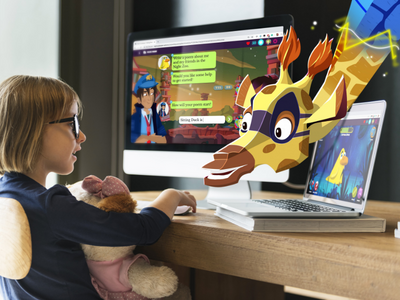
If you’re undecided about incorporating online education in your child’s learning, we can show you just how great it can be! Our online reading and writing program uses gamification to transform children’s attitudes towards learning, and has made the academic journeys of thousands of children worldwide fantastically fun!
Has your child tried a new approach to learning using technology recently (either at school or at home)? How did they respond to it? Do you think technology has improved our education system? We want to know your opinion! As always, please share your thoughts with us on social media using the hashtag #nightzookeeper!


Make Reading & Writing Fantastically Fun!
- Award-winning reading & writing program for kids
- Improves spelling, grammar, punctuation & vocabulary
- Over 1,000 different learning games and activities


What Is Gamified Learning?


“My child hates writing.” What do I do?


Can Gamification Improve Writing?